
SEO is the easiest service to fake. Not because agencies are necessarily dishonest, but because the feedback loop is long and the metrics are easy to make impressive-looking without meaning much. A monthly report full of keyword rankings, domain authority scores, and backlink counts can look like a lot of activity even when nothing useful is happening. And because most clients don't know what they're looking at, the reports go unquestioned for months or years.
We see this regularly when businesses come to us after parting ways with an SEO provider. The deliverables existed. Reports came every month. There were rankings that moved. But when you look at whether the site is getting more traffic from searches that actually matter for the business, the answer is usually no. Sometimes traffic went up while leads went down, which means the rankings they built were for things nobody who would ever buy from you was searching.
This post is about what real SEO progress looks like, what to look at instead of what agencies typically show you, and the questions worth asking if you’re not sure your current provider is doing anything.
The Metrics That Look Good But Don’t Mean Much
Domain Authority is a score invented by Moz, a software company. Google does not use it as a ranking signal and has said so publicly. A rising Domain Authority score means Moz’s algorithm thinks your site got stronger based on the links pointing to it. That can correlate with real SEO progress. It can also be the result of link-building tactics that boost the score without improving rankings for anything useful. An agency reporting month-over-month Domain Authority gains as a primary metric is reporting on a third-party score that Google does not care about.
Total keyword rankings tells you how many keywords you appear for somewhere in Google’s results. Page 6 counts. Position 94 counts. A site can have 3,000 keyword rankings and receive almost no organic traffic if those rankings are on pages 4 through 10. The number of keywords you rank for is only meaningful if those rankings are on page 1, and only important if those keywords are actually searched by people who would buy your product or service.
Organic sessions (without context) sounds like what you want, more people coming from Google. But organic sessions includes everything: branded searches (people who already know you), navigational searches (people looking for your specific URL), and news or informational content that draws traffic with no commercial intent. A 30% increase in organic sessions that comes entirely from a trending blog post about an industry topic is not the same as a 30% increase in people finding you when they search for your service. We explain how to separate these in our post on using impression share data for paid and organic search.
What Actual Progress Looks Like
Real SEO progress shows up in specific places. If your provider can’t show you these, ask why.
Non-branded organic traffic is the metric that matters most. This is people who found you by searching for what you do, not who you are. In Google Search Console (which is free and your agency should have set up on your site), you can filter clicks and impressions by excluding your brand name. What remains is people who searched for a service or topic and found you. That number should be growing. If it’s flat or declining while your agency is reporting keyword rankings going up, the rankings are not for the right terms.
Search Console position and click data for target keywords shows you exactly which queries you’re getting clicks from and what position you’re in. If your agency tells you you’re ranking for “pediatric dentist Chicago” but Search Console shows you’re getting 3 clicks per month from that query, the ranking exists but it doesn’t produce traffic. Position 8 on page 1 for a competitive keyword is real. Position 22 for that same keyword is not page 1 and gets almost no clicks.
Conversion-attributed organic traffic connects the SEO work to business outcomes. Google Analytics 4 can show you how many form fills, phone calls, or purchases came from organic search, broken down by the landing page that received the traffic. If organic traffic is growing but organic-attributed conversions are flat, the traffic isn’t from the right people. If both are growing, the SEO is working. According to BrightEdge’s channel research, organic search drives 53% of all trackable website traffic on average, so the volume should be there. Whether it converts depends entirely on whether the targeting is right.
| Metric | What It Shows | Worth Tracking? |
|---|---|---|
| Domain Authority | Third-party score, not a Google signal | No |
| Total keyword rankings | Rankings including pages 2–10 | Only if filtered to page 1 |
| Organic sessions (all) | Traffic including branded / informational | Only split from non-branded |
| Non-branded organic clicks | People finding you for what you do | Yes |
| Search Console click position | Whether rankings actually generate traffic | Yes |
| Organic-attributed conversions | Whether traffic turns into business | Yes, this is the main one |
Technical Work You Can Verify Yourself
SEO isn’t only content and rankings. Technical fixes are part of the work, but they’re also the part that’s easiest to claim without delivering. Here are things you can actually check.
Google Search Console has a Coverage report that shows indexing errors. If your agency is doing technical SEO, the number of pages with errors should be going down, not staying the same or going up. If there are pages Google can’t crawl or index, content and links built on top of that foundation don’t matter.
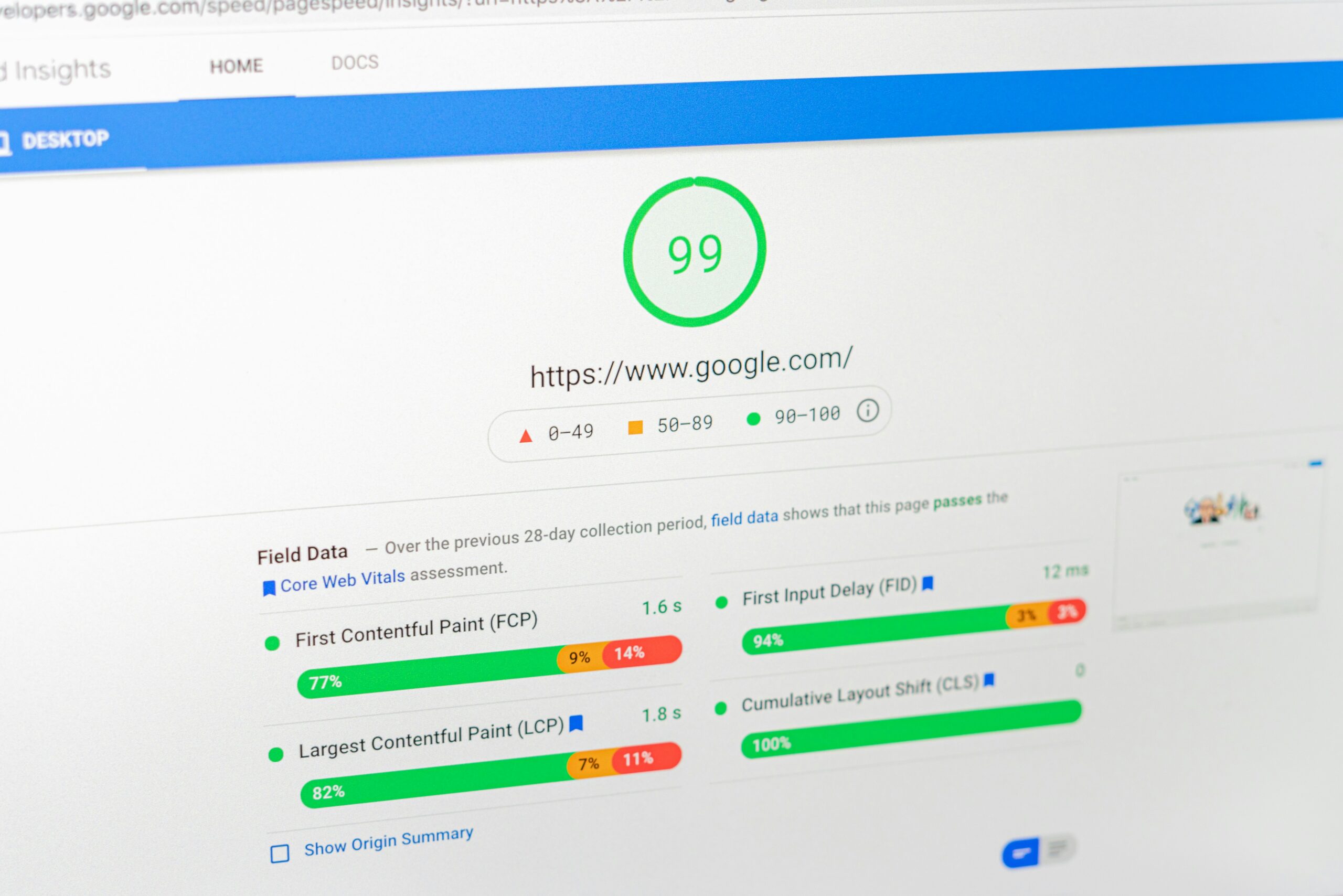
Google’s PageSpeed Insights gives you a Core Web Vitals score for any URL. If your agency has been doing technical SEO for six months and your scores are still in the red on mobile, ask what they’ve actually changed. Core Web Vitals are a confirmed ranking factor for page experience. Bad scores don’t disqualify you, but improving them does help, and it’s something a technical SEO provider should have addressed.
If your site has a lot of content, ask your agency for a list of pages they’ve created or optimized in the last 90 days. Cross-reference that with Search Console to see whether those specific pages are getting impressions and clicks. If they built 10 pages and 8 of them are getting zero impressions, the keyword targeting was off.
The Question Most People Never Ask
The most useful question you can ask your SEO provider is: “Can you show me the non-branded organic traffic trend for the last six months in Search Console?”
Most agencies will answer one of three ways. Some will pull it up immediately because they’re already tracking it. Some will pivot to a different metric because they don’t have a good answer on this one. Some will say they can get it but it’ll take a few days, which means they haven’t been looking at it.
An agency doing real SEO knows exactly what the non-branded organic traffic trend looks like because it's the primary measure of whether the work is paying off. If they can't answer that question quickly, that's your answer.
Our SEO services are built around that metric first. We don’t report on Domain Authority or total keyword counts as primary KPIs. If you want a second opinion on what your current SEO is actually producing, request an audit and we’ll pull the Search Console data and show you what’s happening.