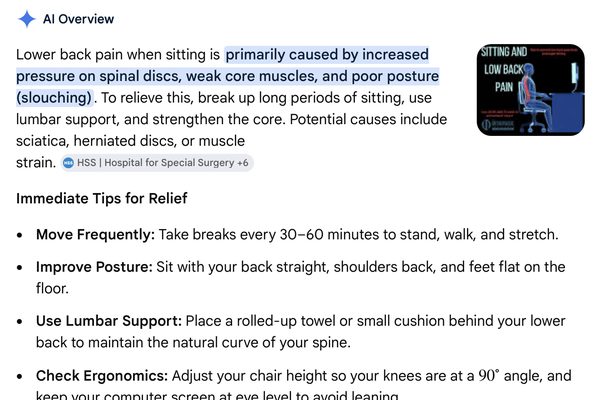

Your competitors are showing up in ChatGPT, Perplexity, and Google's AI overview while you're still invisible. The difference? They understand that AI doesn't care about your backlinks or domain rating. It cares about one thing: whether other trusted sources cite your content as credible.
This guide shows you exactly how to become a cited source that AI engines can’t ignore. Ready to stop being invisible in AI search?
How Generative Engines Use Sources?
Understanding how AI models process sources is crucial for optimization. Generative engines pull information from multiple sources, synthesize it into responses, and decide which sources deserve citation. This process determines whether your content becomes part of the answer or remains invisible.
How LLMs Pull, Synthesize, and Cite Content?
LLMs use retrieval-augmented generation (RAG) to process queries.
First, they search indexed content using semantic similarity rather than keyword matching. Your "email marketing" content might surface for "customer engagement" queries if semantically related.
Then they synthesize information by cross-referencing sources. Multiple sources citing the same data increases confidence scores.
The synthesis phase determines what makes it into responses. AI models weight source credibility, information consistency, and recency. Content appearing across Wikipedia, academic papers, and news sites gets prioritized over isolated blog posts.
Direct Citations vs. Implied Authority
Perplexity shows numbered citations with source links, making attribution transparent. Users can click through to verify information. ChatGPT and Gemini synthesize without explicit attribution but internally weight trusted sources.
Google AI Overviews blend both approaches, sometimes showing source cards, other times integrating information seamlessly. Pew Research found AI Overviews link to.gov sites 3x more than regular search, showing clear preference for official sources.
Why Do Engines Prefer Credible, Structured Sources?
AI models favor specific content characteristics that signal credibility and ease of processing:
- Clear structure with logical heading hierarchy
- Consistent information verified across multiple sources
- Proper schema markup (Article, FAQ, Citation schemas)
- Fresh content with recent updates
- Author credentials and expertise signals
- Clean HTML without technical errors
- Comprehensive coverage of topics
Technical implementation directly impacts AI comprehension. Structured data acts as a roadmap, helping AI understand not just what your content says, but how authoritative and current it is.
The Role of Citations in GEO
Citations function as trust signals in AI search, different from backlinks in SEO. While backlinks boost domain authority, citations create credibility networks that AI uses to validate information.
How Being Cited Increases Visibility?
Citations create multiplication effects. When HubSpot, Marketing Land, and industry newsletters cite your research, AI treats you as the primary source.
Your statistics appear in AI responses even without brand searches because AI maps relationships between sources and topics.
Direct links matter less than contextual mentions in GEO. AI evaluates entire citation networks, analyzing who cites you, how frequently, and in what context.
One citation from Harvard Business Review or a government website carries more weight than dozens from unknown blogs.
The key is building citations from sources AI already trusts.
Citations and Brand Authority
Each citation strengthens your entity’s knowledge graph representation. AI associates your brand with specific expertise, creating compound effects.
More citations lead to more AI visibility, driving organic citations from creators discovering you through AI platforms.
Real-world results validate this approach. Companies report capturing 15-30% share of voice in AI responses for their core topics within 90 days of implementing citation strategies.
How Different Engines Display Citations?
Each platform handles citation display differently, requiring tailored optimization approaches:
- Perplexity: Shows numbered inline citations with dedicated "Sources" section
- Google AI Overviews: Displays website cards below summaries or integrates mentions naturally
- ChatGPT Search: Highlights source domains within response text
- Claude: Synthesizes without attribution unless specifically requested
- You.com: Provides sidebar with source previews and direct links
- Gemini: Blends citations into conversational responses
Optimization strategies vary by platform. Perplexity rewards concise, quotable sentences that work as standalone facts. Google AI Overviews favor comprehensive content with strong E-E-A-T signals across 80+ quality factors. Understanding these differences helps you tailor content for maximum visibility across all platforms.
Best Practices for Source Optimization
Becoming a frequently cited source requires systematic optimization. These strategies transform your content into primary sources that AI engines consistently reference. Focus on both technical excellence and content quality to maximize citation potential.
Publish Research-Backed, Original Content
Create proprietary studies, surveys, and analyses that provide unique value. When you publish findings like " 73% of B2B marketers increased AI tool adoption in 2025 " based on your 500-person survey, you become the primary source others must cite.
Include detailed methodology sections, comprehensive findings, and downloadable data sets to encourage citations from other publishers.
Ensure Clear Authorship and E-E-A-T Signals
Every page needs detailed author bios showcasing credentials, experience, and expertise. Implement author schema linking to professional profiles and other authoritative content.
Showcase expertise via relevant certifications and credentials. Build authoritativeness through citations from respected industry sources. Maintain trustworthiness with transparent methodologies and regular content updates.
Use Structured Data for Credibility
Implement comprehensive article schema and add citation schema to explicitly mark your references. FAQ schema significantly boosts AI visibility when structured with focused questions and authoritative answers AI can easily extract and cite.
Get Backlinks from Reputable Domains
Target.gov sites,.edu institutions, established media outlets, and industry-specific platforms. These backlinks signal validation beyond traditional PageRank, indicating to AI systems that credible sources verify your content.
Build genuine relationships with journalists and industry analysts who naturally reference your work, creating authority transfer that AI systems recognize and value.
Maintain Content Freshness
Update content quarterly with new statistics, recent case studies, and current examples. Track when competitors update their content and ensure yours remains the most current. AI interprets freshness as a reliability signal, quickly deprioritizing outdated information.
Challenges & Considerations
Citation optimization presents unique challenges requiring strategic solutions. Understanding these obstacles helps maintain effective GEO efforts despite limitations in AI attribution and source selection.
Engines May Summarize Without Attribution
AI frequently presents your research findings without crediting sources, creating a zero-click scenario where your content influences responses but generates no direct traffic.
Counter this by creating comprehensive content that requires site visits for full value. Include proprietary tools, calculators, or interactive elements that can’t be replicated in AI summaries.
Risk of Misinformation and Mis-citation
AI can perpetuate outdated information or incorrectly attribute claims to your brand. Monitor brand mentions across all AI platforms using dedicated tools or manual checks. Document any mis-citations and submit correction requests to platform providers.
Future of Citations in GEO
The citation landscape is evolving with significant changes expected in AI attribution and source credibility. Understanding emerging trends helps position your content advantageously before new standards formalize.
Movement Toward Transparency
Major AI companies are shifting toward explicit attribution models. OpenAI’s publisher partnerships, Google’s content licensing agreements, and Anthropic’s constitutional AI approach all signal movement toward clearer source attribution.
Citation tracking tools similar to Search Console are emerging, providing analytics on how AI platforms use your content. Implement comprehensive tracking systems now to integrate seamlessly with future analytics platforms.
Regulations and Standards Evolution
The EU’s AI Act includes attribution provisions scheduled for 2026 implementation, with similar regulations developing globally. These will create standardized frameworks for AI content attribution.
Watermarking technologies and blockchain verification systems may become standard for tracking content provenance and ensuring proper attribution.
Research from Princeton and partner institutions suggests cryptographic content verification could become industry standard. Organizations like W3C and Schema.org are actively developing standardized markup for AI citations.
Early adoption of these emerging standards positions your content advantageously as regulations formalize and platforms adapt.
Your Citation Implementation Roadmap
Citations determine AI search visibility. Without them, you’re invisible to billions of AI queries daily. The window for establishing citation authority is closing as AI models develop trust relationships with existing sources.
Start immediately: Audit your top 20 pages for original research, clear authorship, and structured data. Create one comprehensive research piece in your expertise area. Build citations systematically across Wikipedia, industry publications, and trusted platforms. Use monitoring tools to track AI mentions.